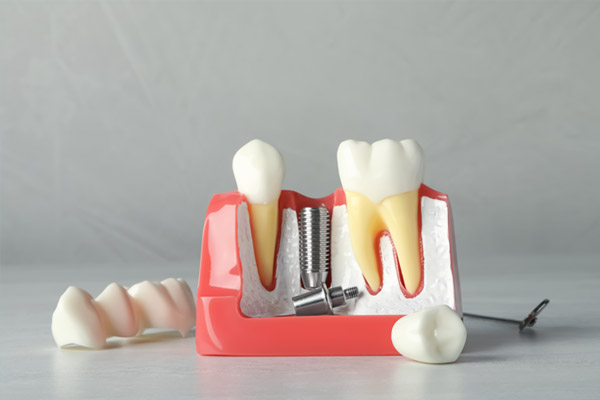
 Nothing looks and feels quite like natural teeth. Therefore, if your tooth becomes decayed or damaged, a dentist will try to repair or save the tooth with a dental restoration. Most people who have been to the dentist have had some type of restoration. They range from simple filings for cavities to crowns for more severely damaged teeth. This article examines the various types of dental restorations and how they can preserve the function and appearance of your natural teeth.
What is a dental restoration?
Restorative dentistry focuses on repairing or replacing teeth with the main goal of improved oral function. Though dental restorations can help the smile look better after decay or damage, their goals are oral health-related. Restorations can range from simple fillings for cavities to dental implants or dentures for teeth replacement. Here, we will focus on the restorations aimed at saving teeth so they do not need replacing.
Fillings
Cavities are small holes in tooth enamel caused by bacteria. If the cavity has not progressed too far, a filling can repair it. The dentist removes the decayed portion of the tooth and fills the hole with filling material, such as silver amalgam or composite resin.
Root canal
This procedure is necessary if the decay reaches the pulp chamber, also known as the living portion of the tooth. Cavities that go this far can be painful, leading to the loss of a tooth or other oral health problems. A dentist will remove the decayed portion of the enamel and the pulp, then fill the tooth. Sometimes, a root canal-treated tooth needs a crown for reinforcement.
Crown
Dental crowns are tooth-shaped caps that are cemented over natural teeth. They can consist of porcelain, metal, composite resin, or a combination of materials. These dental restorations serve a variety of purposes, including the reinforcement of root canal-treated and badly damaged teeth.
Inlays and onlays
Dentists use these restorations to repair teeth that need more than just a filling but do not require a dental crown. Think of these as larger fillings crafted outside the mouth to replace large parts of tooth structure. For example, an onlay covers one or more of the tooth’s cusps; an inlay fills the space between cusps.
Bonding
Though largely associated with cosmetic dentistry, bonding can restore teeth with minor chips or cracks. The dentist uses composite resin to fill a chip or crack, then hardens it with a special light.
With these tools at their disposal, a dentist has a variety of ways to save natural teeth. If you have damaged or decayed teeth, the sooner you get them treated, the better.
Dentists restore teeth
It is best to save your natural teeth when you can, and a dental restoration can help you do that. Our dental team is skilled in performing a wide range of dental restorations. To learn more about the restorations described above, call our team today.
Request an appointment or call Martin Dentistry at 209-299-7907 for an appointment in our Stockton office.
Related Posts
For patients who have damaged or decaying teeth, dental restorations may be a necessity. Dentists use a variety of restorative procedures to protect and repair the structural integrity of an individual's teeth. Some of the most common restoration procedures may include dentures, crowns, and fillings.No individual should suffer from severe tooth pain or discomfort. Decaying…
After getting dental restorations such as fillings, implants, crowns, or root canals, it is important to follow any aftercare instructions given by the dentist. Doing so can help avoid damaging the restoration and causing further harm to the mouth. It can also allow the mouth to heal quickly and properly. Here are some tips commonly…
Healthy teeth are important for many reasons. Strong teeth make it easier to chew food, enunciate speech properly, and even breathe better. Many people also feel more confident when they have strong, healthy teeth that help to create a beautiful smile. Unfortunately, some people are predisposed to decay, fractures, or broken teeth and will need…