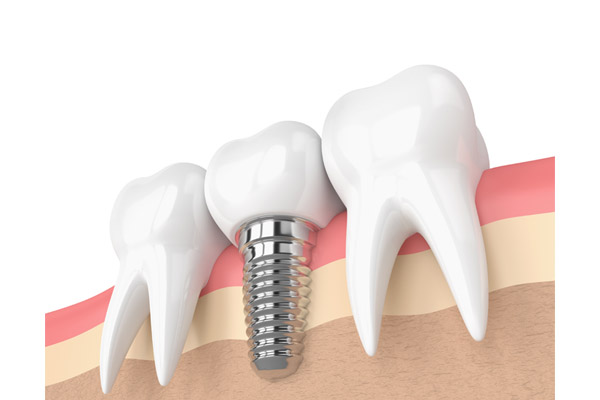
 A dental crown can save a tooth that is in danger of extraction. Dental crowns serve a dual purpose. They reinforce the tooth structure and improve the appearance of the smile at the same time. This means that a dentist could recommend a crown as a treatment for tooth decay or injury. A cosmetic dentist may also recommend dental crowns as part of a smile makeover.
Whatever the reason for your dental crown procedure, you need to prepare for your sessions in the dentist’s chair. You also need to make arrangements that will make your recovery period as smooth as possible. The best place to start is by learning what to expect from the procedure.
The process of placing a dental crown
A crown is a dental restoration that sheaths a damaged or otherwise problematic tooth. It takes the form of a hollow artificial tooth that is tailor-made to sit snugly over the natural crown. The installation of a dental crown may take between one and three dentist visits. Here is what to expect from the process:
- The diagnosis is where the dentist identifies the nature and extent of a cosmetic or dental problem.
- The formulation of a treatment plan is where the dentist identifies the best way to treat the patient.
- If the dentist and patient decide on a crown, the dentist will prepare the patient’s tooth by filing away a layer of enamel.
- Next, the dentist will take an impression of the prepared tooth.
- This impression is the mold that the dentist uses for the fabrication of a custom crown that is a perfect fit for the patient’s tooth.
- Finally, the dentist will fit the custom crown onto the prepared tooth, and they will put the finishing touches on the crown and make small adjustments where necessary.
The entire process could take place over a single visit if the dentist can fabricate dental restorations in-house. Usually, though, the process takes two or more visits, and the patient wears a temporary covering while they wait for the milling of the permanent crown.
Preparing for a dental crown procedure
The placement of a dental crown involves procedures that typically require an anesthetic of some kind. A local anesthetic is usually enough. Here is how to prepare for sessions in the dentist’s chair, as well as useful after-care tips:
1. Make arrangements for a ride home
The level of anesthetic that a dentist uses varies on a case-by-case basis. Patients who suffer from anxiety may need sedation dentistry, which will leave them groggy after a procedure. This patient cannot drive themselves home. They will need to arrange for transport to and from the dentist’s office.
2. Make plans to manage discomfort at home
Dentists will inform their patients if they need pain medicine after a dental procedure. They may recommend over-the-counter pain medication afterward. Patients who undergo treatment for tooth decay as preparation for the dental crown may also need to use home remedies like elevating the head or using an ice pack.
3. Arrange for soft foods for the recovery period
A dentist will advise their patient to protect the tooth from unnecessary stress and pressure. They will ask their patient to stick to soft foods in the days following treatment. It is a good idea to make arrangements for these foods before the procedure.
Create the best possible version of your smile, starting with a phone call
You can level up your smile with a few short dental appointments, and our dentist can show you how. Reach out to our Stockton practice, book a consultation, and learn more. Our dentist will be happy to walk you through the different ways that you can improve your smile.
Request an appointment or call Martin Dentistry at 209-299-7907 for an appointment in our Stockton office.
Related Posts
Choosing a dental crown involves balancing aesthetics, durability, and budget to ensure the long-term health of a damaged tooth. While it is natural to feel some hesitation when a dentist recommends a restorative procedure, a crown is one of the the most proven and effective ways to preserve a natural tooth for the future. If…
A dental crown supports and protects a weakened tooth when a filling no longer provides enough coverage or strength. Many patients compare these two restorations and want to understand when each one is recommended. A careful evaluation helps determine the best option for long-term comfort, stability, and oral health. Factors such as decay size, tooth…
A dental crown protects a damaged tooth and restores shape, strength, and appearance. Crowns cover the entire visible portion, shielding cracks, large fillings, and worn enamel while improving function. Dentists use crowns to rebuild biting surfaces, anchor bridges, and finish implants. This guide explains when crowns are a suitable option, material choices, treatment steps, costs,…